
Focus on betting on the banker. Statistically, this option has the highest probability of success, Crazy Luck Casino gambling site offering a return of nearly 95%. While it carries a small 5% house advantage, the consistency of this choice can lead to more favorable outcomes over time.
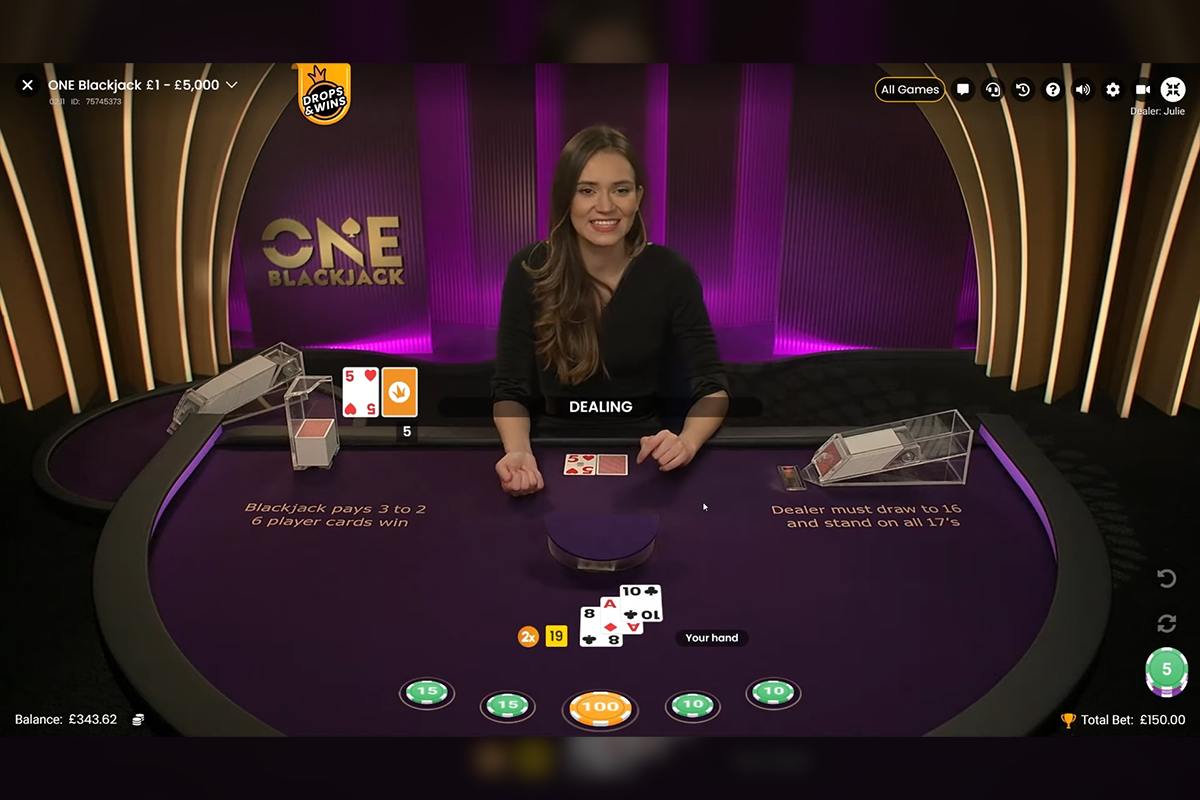
Track previous rounds but do not rely solely on patterns. Keeping a record of recent results might help you feel more confident in your decisions. However, remember that each round operates independently, and past results do not dictate future plays.
Establish a clear budget and stick to it. Setting limits on your bankroll will prevent impulsive decisions. Allocate a specific amount for each session and exit once it is depleted. This discipline can mitigate losses and enhance your overall experience.
Employ flat betting rather than variable strategies. Consistently betting the same amount reduces risks associated with chasing losses. This method fosters a steadier approach, allowing you to enjoy the game without undue stress and pressure.
Consider the timing of your sessions. Play during less crowded periods to secure more attention from the dealer and maintain focus on your play. A quieter environment can enhance your decision-making process and overall enjoyment.
Choosing the Optimal Bet: Player vs. Banker
Always opt for the Banker bet. Statistically, it offers a lower house edge of 1.06% compared to 1.24% for the Player. This slight difference may seem negligible, but over multiple rounds, it significantly impacts overall returns.
The payout for the Banker bet is 1:1, but a 5% commission is deducted on winnings, which can be misleading. However, even after accounting for the commission, the total returns favor the Banker option more consistently.
Player vs. Banker Bet Overview
| Bet Type | House Edge | Payout |
|---|---|---|
| Player | 1.24% | 1:1 |
| Banker | 1.06% | 1:1 (5% commission) |
In addition to the statistical advantage, the Banker bet minimizes risk, making it ideal for a more cautious approach. Players who prefer steady wins with lower volatility should favor this option.
If you are considering the Player bet, be aware of its slightly higher risk. While it can occasionally produce larger wins, the payout loop doesn’t compensate for the increased house edge adequately.
When to Consider Other Options
While betting on the Banker is generally wise, occasional diversions can be entertaining. Betting on ties can yield high payouts of 8:1 or 9:1, but it comes with a prohibitive house edge of 14.36%, making it a less viable choice for consistent play.
For risk-takers, mixing in Player bets at strategic moments can refresh gameplay. However, it’s wise to track patterns and ensure these bets are made with an understanding of their risk-reward ratio.
Understanding the Card Dealing Process and Its Impact
Familiarizing oneself with the card dealing sequence can significantly influence decision-making. In many variations, two hands are dealt: the Player and the Banker. Each hand receives two cards, and the total points determine the outcome. Cards from 2 to 9 hold their face value, while Aces count as one point, and 10s and face cards are valued at zero. Pay attention to the rules governing the drawing of a third card, as they can alter the expected outcome.
It’s essential to grasp how these mechanics shape the odds. Understanding the frequency at which specific cards appear can provide insights into potential outcomes. For example, since the shoe contains a finite number of cards, players may track high or low cards to forecast likely results. Experienced gamblers often keep track of previous hands to develop a sense of which side is winning more frequently, thus tailoring their betting patterns accordingly.
Bankroll Management Techniques for Long-Term Play
Set a strict budget, deciding beforehand how much you can afford to spend. Divide this total into smaller units for individual sessions, ensuring you never gamble more than planned. This method maintains control and limits impulsive spending, preserving funds for future opportunities.
Daily Loss Limits
Establish a daily loss limit that reflects your budget and risk tolerance. Once you reach this pre-set threshold, step back and take a break. This practice helps avoid chasing losses and encourages disciplined play, enhancing your longevity in the activity.
Winning Goals
Define winning goals before each session. Setting a target profit allows for a clear exit strategy; once achieved, walk away to safeguard gains. This approach can prevent the common pitfall of lingering too long and losing previously gained amounts, maintaining a healthier financial balance.